

When you think about rest, you think about relief. Rest offers a pause from deadlines, obligations, and constant stimulation. But if you struggle with anxiety, rest can feel surprisingly uncomfortable. Instead of calm, you may experience racing thoughts, physical tension, guilt, or an urge to get up and do something. This can be confusing, since rest is supposed to be helpful. In reality, this discomfort makes sense when you understand how anxiety affects your mind and body.
Anxiety is not only a pattern of worried thinking. It is also a state of activation in your nervous system. When your brain senses threat, whether the threat is real, imagined, or simply uncertain, it prepares the body for action. Heart rate may increase, muscles tighten, breathing may become shallow, and attention narrows toward possible danger.
Health sources such as the NHS describe anxiety as involving both psychological and physical symptoms, including feeling on edge, fearful, and physically unsettled. When a you spend long periods in this activated state, it can start to feel normal. Stillness, by contrast, can feel unfamiliar.
That is one reason rest can feel so hard. The nervous system does not always switch off the moment responsibilities stop. If you have been running on stress, pressure, or constant alertness, rest can feel less like safety and more like the loss of momentum.
Your body may misread the quiet as unsafe simply because it is not used to it.

You notice that the minute you sit down, your mind begins scanning for what you forgot, what could go wrong next, or what you should be doing instead. In that sense, rest removes distractions and leaves more room for anxious thoughts to surface.
Another important factor is the connection between productivity and self-worth. Many people learn, directly or indirectly, that being useful, busy, or high-achieving is what makes them valuable. Over time, this message can become deeply internalized. When you try to rest, you don’t just stop working. You may also feel as if you are failing in some way. Guilt often shows up quickly: I should be doing more. I have not earned this break. Other people are getting ahead. For anxious people, those thoughts can make rest feel like a threat to identity rather than a healthy necessity.
There is also a paradox here: relaxation can feel uncomfortable before it feels soothing. Some people experience this as restlessness, irritability, or even a spike in anxiety when they first try calming practices. Mental health professionals note that relaxation skills such as slow breathing, progressive muscle relaxation, and guided imagery can be helpful for stress and anxiety, but they often work best when practiced gradually and consistently. If you are used to operating in overdrive, slowing down can feel like stepping into unfamiliar territory. The discomfort does not mean rest is bad; it often means the body is learning a new pattern.
The good news is that rest can become easier. Often, you can benefit from approaching rest in small, structured ways rather than expecting yourself to switch instantly from stress to total calm.
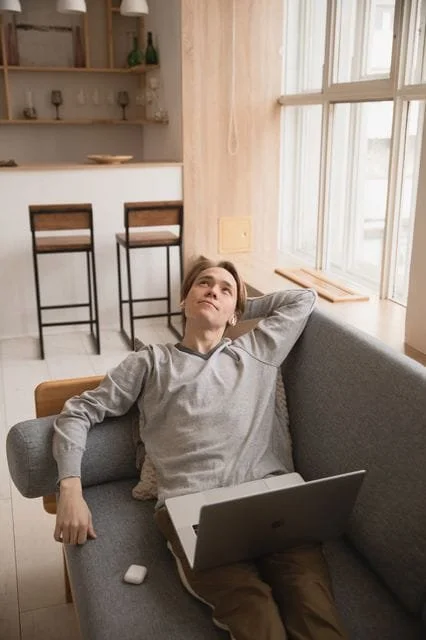
That might mean taking a short walk without multitasking, practicing one minute of slow breathing, sitting quietly with gentle music, or scheduling brief breaks before exhaustion hits. Support from therapy can also help, especially when anxiety is tied to trauma, perfectionism, or chronic stress.
Rest is not laziness, and it is not something you have to earn. It is a biological need. If you struggle with anxiety, learning to rest may take time, patience, and repetition, but it is possible. What feels uncomfortable today can, with practice, begin to feel safe tomorrow. My anxiety treatment specialty page offers you more information about how therapy can help you develop a different relationship with your anxiety.