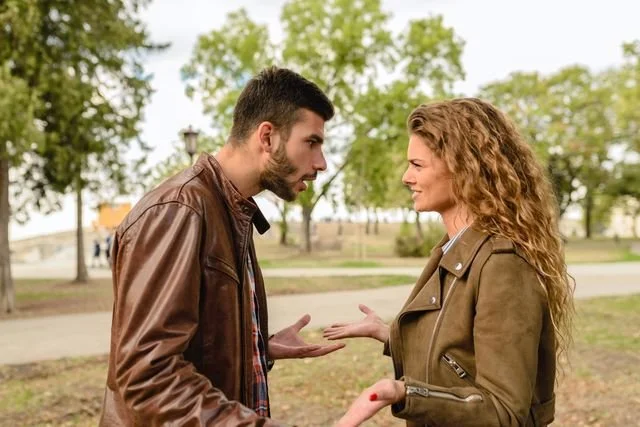
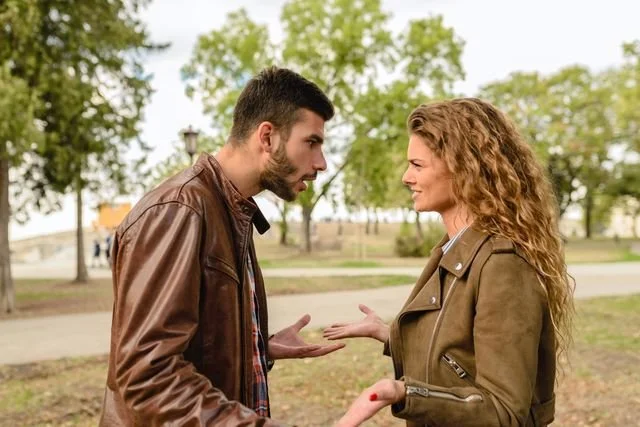
When couples find themselves in “survival mode,” their relationship is often under acute stress. This state can be triggered by intense life changes, chronic conflict, financial hardship, parenting challenges, health issues, or external crises such as job loss or trauma.
In survival mode, you may feel disconnected, overwhelmed, and unable to access the emotional resources you once relied on. Your communication can break down, and you may feel stuck in cycles of blame, withdrawal, or defensiveness. During these times, couples therapy can provide essential support, helping you navigate your challenges and rebuild a sense of safety and connection.
One of the primary ways couples therapy supports you in survival mode is by creating a safe environment for open communication.
A therapist acts as a neutral facilitator, ensuring that both partners can express their thoughts and feelings without fear of judgment or escalation. This structured space allows couples to slow down their interactions, identify underlying emotions, and practice active listening—skills that are often compromised when stress is high. The presence of a therapist helps to interrupt destructive patterns and guide the conversation toward mutual understanding.

Couples therapy also helps you identify the root causes of their distress.
Survival mode often masks deeper vulnerabilities or unresolved issues that fuel recurring arguments. In therapy, you can uncover the fears, unmet needs, and past wounds that are driving reactions. You can recognize defensive reactive patterns. You can develop healthier ways to respond to each other’s needs. You can foster empathy and compassion, encouraging couples to move beyond blame and defensiveness.
Another crucial benefit of couples therapy is the introduction of practical coping strategies.
When you are overwhelmed, you may struggle to regulate your emotions or communicate effectively. Therapists teach tools to de-escalate conflicts, manage stress, and set boundaries.
For example, you might learn techniques to pause heated exchanges or mindfulness exercises to stay grounded. You can learn communication frameworks like “I statements” to move from criticism to sharing what you want or need. These skills empower you to handle day-to-day stressors more constructively and prevent further escalation.
In addition to addressing immediate crises, couples therapy helps you rebuild trust and emotional intimacy.
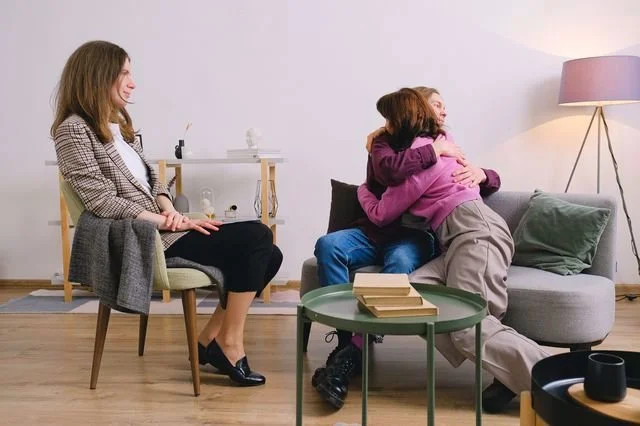
Survival mode can erode the sense of partnership, leaving you feeling isolated or unsupported. Through therapy, you learn to acknowledge each other’s efforts, share appreciation, and reconnect through small gestures of care. The therapist may assign practices you can do at home that involve intentional moments of connection, such as shared activities or heartfelt conversations. Over time, these positive interactions help restore a sense of teamwork and rekindle affection.
Finally, couples therapy can also help you clarify your shared values and goals.
When life feels chaotic, it’s easy to lose sight of what brought the couple together in the first place. Therapy provides an opportunity to revisit priorities, make collaborative decisions, and plan for the future. This reconnection with values fosters resilience, giving couples a renewed sense of purpose and direction as they navigate challenges together.
When you are in survival mode, all you are trying to do is, well, survive. But those efforts can take a toll on your relationship. If you are interested in learning some of the stances and practices mentioned above, you can visit marriage counseling specialty page and learn how to contact me.